
What Our Ancestors Knew About Hair That Science Is Just Now Proving

If you've ever sat in your grandmother's kitchen while she braided your hair, or watched your auntie massage Shea butter into her scalp with slow, intentional circles, you've witnessed something profound.
For centuries, African women across the diaspora have known exactly how to care for their hair. They didn't need peer-reviewed studies or trending ingredient lists. They had time-tested practices passed down through generations, rooted in deep knowledge of what textured hair needs to thrive.

And now? Modern science is finally catching up.
Researchers are discovering the very practices our ancestors used. Practices like shea butter, threading, scalp massages, and natural oils were cultural and valid techniques our grandmothers used for maintaining hair health, moisture, and growth.
Let's explore what our grandmothers knew all along, and why science is just now proving them right.
Shea Butter: The Original Deep Conditioner
Walk into any West African market, and you'll find raw Shea butter thick, creamy, and revered. For centuries, women in Ghana, Nigeria, Burkina Faso, and beyond have used Shea butter not just for hair, but for skin, healing, and protection.
Our ancestors understood something fundamental: Shea butter seals.
But what does science say about Shea butter?
According to scientific discovery, Shea butter is rich in fatty acids (stearic, oleic, linoleic) that mimic the lipids naturally found in hair. These fatty acids form a protective barrier around each strand, locking moisture in and keeping environmental stressors out.
A study published in the International Journal of Cosmetic Science found that shea butter significantly improves hair's moisture retention and elasticity, especially for textured hair prone to dryness and breakage.
What does this tell us? When your grandmother slathered shea butter on your scalp and ends, she wasn't just following tradition. She was creating a lipid shield that prevented trans-epidermal water loss (the fancy term for moisture escaping your hair).

How Èyí Dára Honors This:
Our Deep Conditioning Mask is formulated with organic shea butter, along with mango and murumuru butters. These butters don't just coat your hair; they penetrate, restore, and protect, just like our ancestors intended.
African Threading: Stretching Without Heat
Before flat irons and blow dryers, there was threading, a technique used across West and East Africa to stretch natural hair without a single degree of heat.
You've probably seen it: hair sectioned and wrapped tightly with black thread from root to tip, creating long, sleek spirals. The hair is left to dry overnight, and when unwrapped, it's stretched, defined, and protected.
What Science discovered:
Heat styling can damage the hair cuticle, weakening protein bonds and causing long-term breakage. Threading, on the other hand, uses tension and time to mechanically stretch the hair without disrupting the cuticle structure.
Dermatologists now recommend heatless stretching methods to preserve hair integrity, reduce split ends, and maintain moisture. Threading does exactly that. It also protects ends by keeping them tucked away, reducing friction and tangling.
Our ancestors didn't have research to tell them that heat was damaging. But they found a method that worked without compromise.
Today, many naturalistas are returning to threading as a protective, heat-free styling option. It's proof that sometimes, the old ways aren't outdated.

Scalp Massages: Stimulating Growth From the Root
In many African and Caribbean cultures, scalp care wasn't an afterthought; it was central to hair health.
Mothers and grandmothers would oil the scalp and massage it with slow, deliberate pressure, sometimes using fingertips, sometimes using wooden combs. It was a ritual. A moment of care. A practice of intention.
What does science say about scalp massages?
Scalp massages increase blood circulation to your hair follicles, delivering more oxygen and nutrients to your root. A 2016 study published in ePlasty found that just 4 minutes of daily scalp massage increased hair thickness over time by stimulating dermal papilla cells (the cells responsible for hair growth).
Massaging also helps distribute natural oils (sebum) more evenly along the hair shaft, which is especially important for textured hair where oils struggle to travel down coily strands.
Additionally, scalp massage reduces cortisol (the stress hormone), which has been linked to hair shedding and thinning. So when your grandmother massaged your scalp, she wasn't just caring for your hair; she was caring for your whole nervous system.

How to Practice This Today:
Use your fingertips (not nails) to massage your scalp in slow, circular motions for 5-10 minutes, 2-3 times a week. You can do this with or without oil. The key is consistency and intention.
If you do use oil, try lightweight options like jojoba oil, which provide essential lubrication and nutrients without weighing the hair down or causing excessive buildup
Natural Oils: Not Trends, But Tradition
Coconut oil. Castor oil. Palm oil. Moringa oil.
These weren't discovered by influencers or beauty brands. They've been used for centuries across the African diaspora, from the coasts of West Africa to the islands of the Caribbean.
In Jamaica, castor oil (especially black castor oil) has been used for generations to strengthen hair and promote growth. In East Africa, moringa oil was prized for its lightweight nourishment. In Nigeria, palm kernel oil protected hair from the harsh sun.
What does science say about oil?
Coconut oil has a unique molecular structure that allows it to penetrate the hair shaft, reducing protein loss during washing. A study in the Journal of Cosmetic Science confirmed that coconut oil is one of the few oils that can actually prevent damage before it happens.
Castor oil is rich in ricinoleic acid, which has anti-inflammatory properties that soothe the scalp and may support healthier hair growth by reducing scalp irritation.
Moringa oil is packed with antioxidants and behenic acid, which adds slip, shine, and protection without heaviness, perfect for fine or low-porosity hair.

The Èyí Dára Connection:
Our products feature botanicals and oils like avocado oil, jojoba oil, and buriti oil, all chosen for their ability to penetrate, protect, and nourish textured hair. These aren't random ingredients. They're rooted in the same wisdom our ancestors practiced: use what nature provides, and use it well.
Aloe Vera: The Scalp Soother
In many Caribbean and East African households, aloe vera wasn't just for sunburns; it was a hair and scalp treatment.
Fresh aloe gel was applied directly to the scalp to soothe irritation, reduce dandruff, and add moisture. It was cooling, healing, and deeply hydrating.
What does science say about aloe vera?
Aloe vera is 99% water, but it's also packed with enzymes, vitamins, and polysaccharides that promote scalp health. Research shows aloe has anti-inflammatory and antimicrobial properties, making it effective for treating dry, itchy, or flaky scalps.
It also helps balance the scalp's pH, which is crucial for maintaining a healthy scalp microbiome (the ecosystem of bacteria and fungi that support hair growth).
How Èyí Dára Uses This:
Aloe vera is a key ingredient in both our Shampoo Bar and Deep Conditioning Mask. It soothes the scalp, delivers lightweight hydration, and creates the perfect environment for hair to thrive, just as it's been used for generations.
Protective Styling: Low Manipulation, High Retention
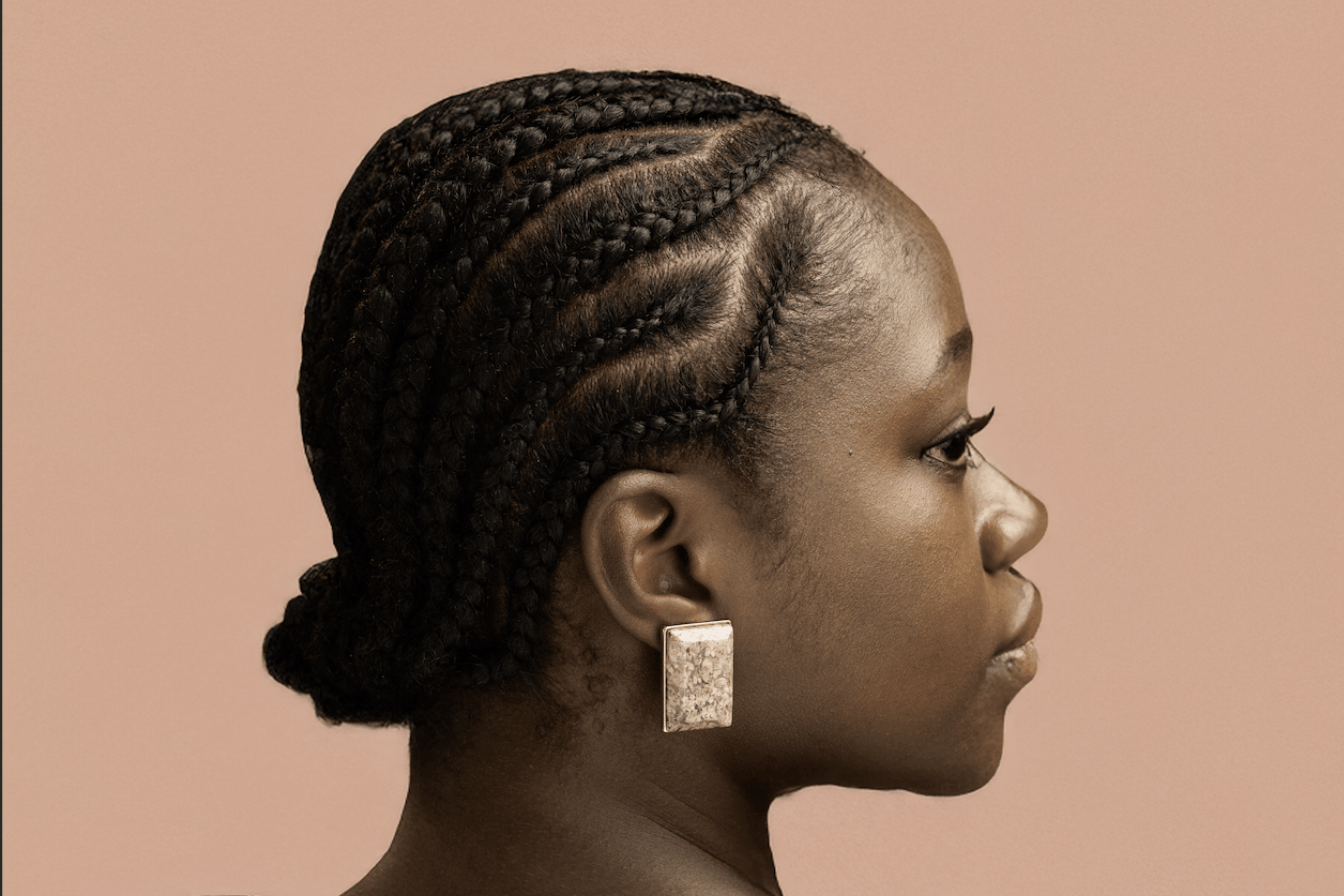
Braids. Twists. Bantu knots. Cornrows.
These weren't just hairstyles; they were protective strategies.
By keeping ends tucked away and reducing daily manipulation, protective styles allowed hair to grow longer, stay moisturized, and avoid breakage. In some cultures, intricate braiding patterns also held spiritual and social significance, marking identity, status, and community.

What does science say about this?
Trichologists (hair scientists) now emphasize low-manipulation styling as key to length retention, especially for textured hair. The less you comb, brush, and manipulate your hair daily, the less mechanical stress you place on fragile strands.
Protective styles do exactly that: they give hair a break from constant styling, heat, and environmental exposure.
Our ancestors also knew that protective styles needed to be done gently. Tight braids that pulled at the hairline or caused scalp pain weren't the goal. The goal was protection, not tension.
Today, we honor that by choosing styles that protect without compromising scalp health or edges.
Why This Matters Now?
For too long, textured hair has been pathologized, politicized, and misunderstood. Textured hair has been called "difficult," "unmanageable," or "unprofessional."
But our ancestors never saw it that way.
They saw our hair as something to be honored, nurtured, and celebrated. They developed practices rooted in deep observation, trial, and wisdom, and these practices worked.
And now, science is finally validating what they knew all along.
This isn't about romanticizing the past. It's about reclaiming knowledge that was always ours. It's about recognizing that the women who came before us weren't just "doing their hair"; they were practicing botany, biology, and self-care long before those words became trendy and labelled.
How to Honor Our Ancestral Wisdom Today
You don't have to do everything the old way. But you can learn from it.
- Use butters and natural oils that have stood the test of time
- Practice scalp massages as a form of care, not just maintenance
- Choose heat-less styling methods when you can
- Embrace protective styles that actually protect, not strain
- Trust your hair's natural needs instead of chasing trends
At Èyí Dára, we honor these traditions by formulating products with ingredients our ancestors would recognize: shea butter, aloe vera, botanical oils, and plant-based care.
Our Wash Day System brings together the Shampoo Bar, Deep Conditioning Mask, and Leave-In, three essentials rooted in the same wisdom: nourish, protect, and honor what's already there.

Our grandmothers didn't need a lab to know shea butter worked. Our great-aunt didn't need a study to understand that scalp massages mattered. And the women who threaded, braided, and oiled their hair across generations didn't need validation from science to know they were doing it right.
They already knew. And now, so do you.


Comments